Skip Hire in Marylebone

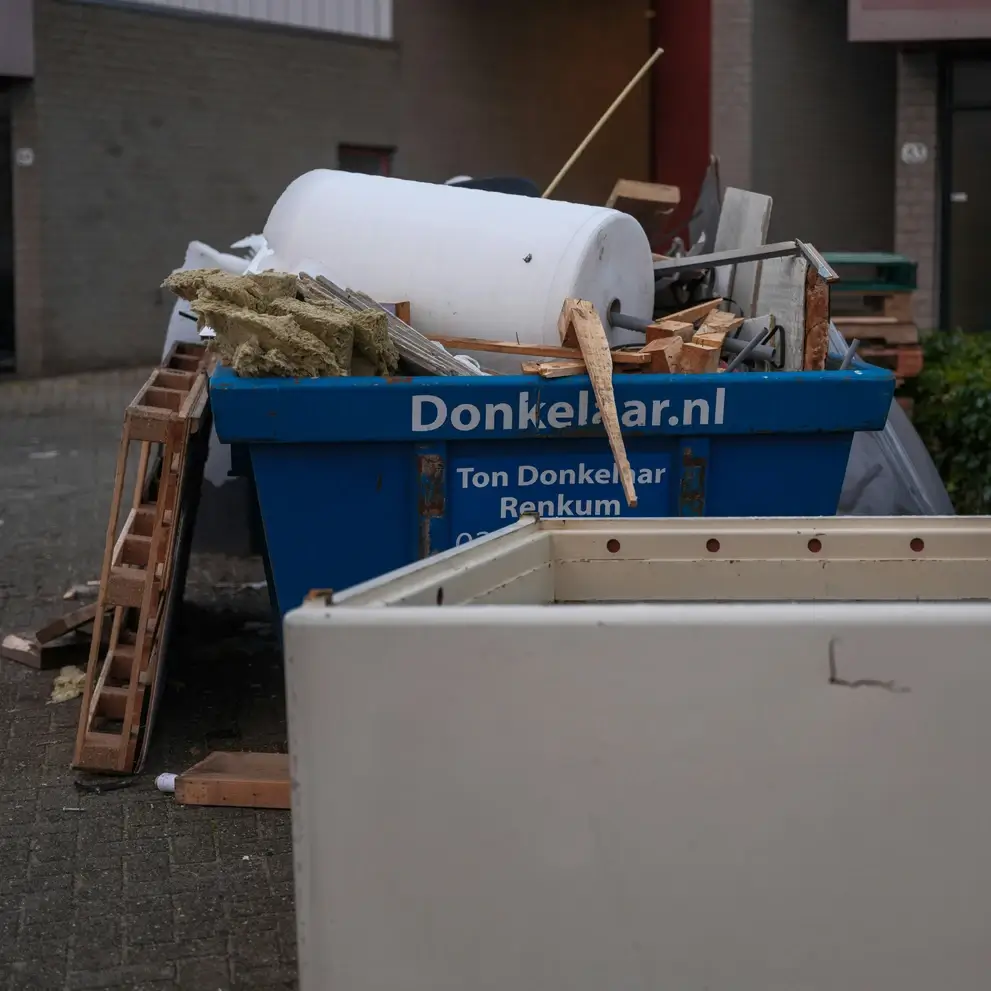
Skip hire in Marylebone gives homes, landlords and commercial premises a practical way to manage bulky waste when clear-up work creates more than a few bin bags. We provide straightforward skip hire for mixed non-hazardous waste, with sizes and collection arrangements chosen to suit the job rather than forcing you into a one-size-fits-all option. The aim is simple: keep the process manageable, lawful and suited to the space available.
Because Marylebone includes compact streets, mews properties, terraces and busy commercial frontages, access and placement often matter as much as the waste itself. That is why it helps to think about what you need removed, where the skip can sit and how long you need it for before placing an order. If you are comparing options, our pages on skip sizes and prices and what can go in a skip explain the practical choices in more detail.
For a quotation, use the details on the contact or booking page and choose the route that best matches your project. If your waste needs a different approach, we can also discuss alternatives such as wait-and-load or grab hire so the clearance is matched to the site conditions rather than relying on a single method. Request a quotation.
Choosing the right skip for the work

A good skip hire arrangement starts with the material you need to dispose of and the amount of room available for delivery. A small domestic clear-out may only need a compact skip, while a more substantial renovation can call for a larger container and a firmer plan for loading. The right choice is not just about capacity; it is also about making sure the skip fits the site and the type of waste is suitable for disposal.
We support a range of straightforward needs, from household clear-outs through to heavier building and trade waste. If your load is mainly plasterboard, timber, packaging, broken fittings or general mixed debris, a skip may be the most convenient option. Where the material is more specialised, such as rubble-heavy waste or loads from structural work, it can be worth reviewing builders skip hire alongside construction waste disposal to see which approach fits the job best.
For customers who want a quieter or more enclosed container, there are also options that help when visibility, security or weather protection matter. An enclosed and lockable skip hire page is useful if the waste must be covered, while the same-day skip hire information is there for time-sensitive work where planning needs to move quickly. These pages can help you compare practical features before you decide.
Domestic clear-outs and home improvements
Householders often use skip hire for projects that create steady, awkward or bulky waste over several days rather than one quick load. Common examples include kitchen refits, bathroom changes, loft clear-outs and general decluttering before decorating. In these situations, a skip can be easier than repeated trips to a recycling centre because it keeps everything in one place while the work progresses.
If you are clearing out a garage, loft or spare room, it can help to sort items before loading so usable belongings, recyclables and general waste do not get mixed unnecessarily. Our garage and loft clearance and house clearance pages cover related options where a more hands-on removal service may suit the job better than a container on site. For smaller or more localised domestic jobs, domestic skip hire remains the clearest starting point.
When a project produces mixed waste from different rooms, it is sensible to think about loading order as well as quantity. Heavy debris can go in first, with lighter items added later, but the load should still remain within safe working limits and any prohibited material kept out. If you are not sure how your waste fits the rules, our guidance pages can help you check before ordering. A clear plan saves time and avoids last-minute changes.
Builders and refurbishment waste
Building work generates waste that is often heavier, sharper and more varied than everyday domestic rubbish. Broken tiles, wood offcuts, old units, plaster, packaging and general demolition spoil can quickly fill a container, so the skip needs to be selected with the job in mind. For renovation and trade projects, the most useful service is usually one that balances capacity, access and collection timing rather than simply supplying the largest possible container.
Our related service pages are designed to help you choose the right approach for the scale of the work. Construction waste clearance suits projects where waste needs removing as the job progresses, while demolition waste removal is relevant when a heavier or more fragmented load has to be dealt with. For projects where lorries and larger machinery are practical, grab hire services may also be worth comparing against a standard skip.
Trade customers often want a service that supports staged work rather than a single rapid clear-out. That can mean arranging the drop-off to coincide with demolition, first-fix or strip-out work, then scheduling collection once the loading is complete. We can help you think through the timing, but it is still important to separate general waste from items that need special handling. The more accurately the load is planned, the smoother the disposal process tends to be.
Access, permits and local placement
In a built-up part of London, skip placement can be affected by narrow roads, parking restrictions and the amount of room outside the property. A container may fit comfortably on private land, but if it needs to sit on a public road there may be permit requirements to consider. That is why it helps to look at access first, then decide whether a standard drop-off is practical or whether another method would reduce disruption.
Our skip permits and skip hire permits pages explain the paperwork side of roadside placement, while wait and load skip hire can be useful where keeping a skip on the street is not suitable. If access is especially limited, the extra flexibility of man and van waste removal or rubbish removal may suit the job better than a static container.
A useful way to decide is to consider three things together: whether there is enough safe space for the container, whether any permit will be needed, and whether the waste can be loaded within the planned time. If one of those points creates difficulty, another service may be a better fit. We can discuss those practicalities in advance so the arrangement is appropriate to the property and the workload.
Waste types, sorting and responsible disposal

Skip hire works best when the waste stream is understood before loading begins. General mixed waste is common, but some items need more care, and a few materials are not suitable for a standard skip at all. The right approach is to keep recyclable materials as clean as practical, avoid overfilling and separate out anything that requires specialist handling. That makes collection safer and disposal more efficient.
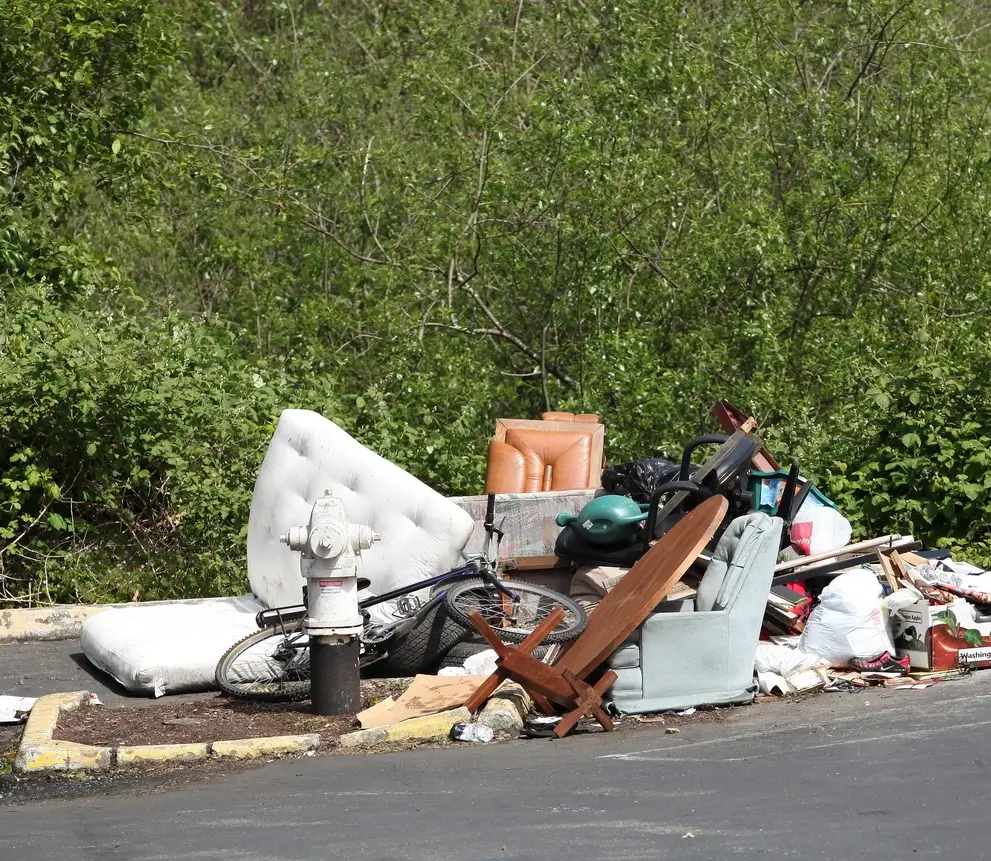
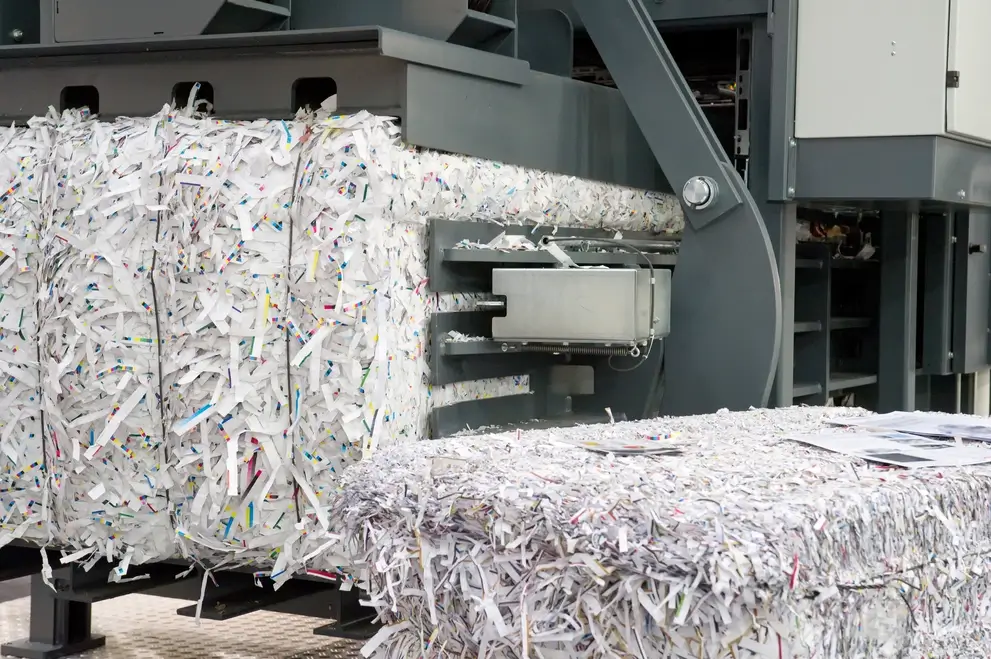
For customers who want more detail on accepted materials, the what can go in a skip page is the clearest place to begin. If the load includes appliances, mattresses or other bulky household items, it may be better to compare with fridge and appliance removal or mattress and sofa disposal. Where confidential paperwork is involved, confidential shredding is a separate service rather than general skip waste.
We also support customers who want a disposal route that takes recycling into account. Sorting, processing and diversion from landfill all depend on the nature of the material, but a clear description of the waste helps the right method be selected at the outset. If you are unsure whether your load is suitable, it is better to check first than to assume every item can be mixed together. That is especially true when a project includes both household and trade material.
Service choices for different kinds of waste
Different jobs need different collection styles, and the most appropriate option is often the one that fits the waste rather than the one that sounds simplest at first glance. For garden projects, garden waste removal may be the cleaner choice for green material, while builders waste removal supports heavier renovation loads. Customers dealing with larger exterior works can also review site clearance and muck away services when the material volume or access constraints call for a different method.
If you are managing a commercial workspace, a skip is only one of several options. Commercial skip hire helps with routine waste from maintenance, fit-out or storage clear-outs, while office clearance is more suitable when desks, chairs, archive material or redundant fittings need to be removed together. For large exterior debris, grab lorry hire can sometimes be more efficient than repeated container exchanges, especially where material is piled rather than neatly bagged.
These options are not all interchangeable, and that is exactly why a short discussion before ordering can be useful. A load that looks straightforward may in fact contain waste from several sources, each with a different disposal route. If you want to keep the job efficient, the best first step is to match the waste type to the service that handles it cleanly. Correct sorting at the start usually makes the rest easier.
About Marylebone
Marylebone is a central London district in the City of Westminster, positioned between the West End and the more residential streets to the north. It is closely associated with a compact street pattern, Georgian terraces and later mansion blocks, with Marylebone High Street acting as a well-known local spine. The area takes its name from St Marylebone, a historical parish whose roots go back centuries, and it has long developed as a mix of housing, professional premises and visitor destinations rather than a single-purpose quarter. The result is a neighbourhood with a strong sense of scale: busy enough to feel connected to central London, yet still recognisable for its streets, squares and local institutions.
Commercial waste, ongoing projects and repeat collections
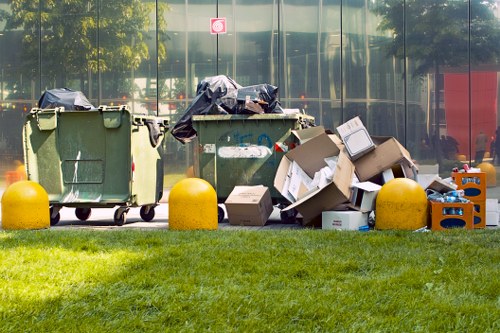
Businesses and managing agents often need a more regular approach to waste than a one-off domestic clear-out. Fit-outs, storage changes, office refurbishment and maintenance works can all produce waste in stages, which makes scheduling and collection planning especially important. A suitable skip arrangement can reduce clutter on site while keeping materials ready for lawful disposal as the project moves forward.
If your organisation needs support across more than one type of material, it can help to look at the wider service range rather than forcing everything into a single solution. For instance, commercial skip hire is a sensible starting point for many premises, while office clearance and construction waste disposal may be more appropriate for specific stages of a project. Where sustainability is important, waste recycling services and recycling and sustainability provide further background on how material is handled.
If you already know the rough waste type and the access arrangement, the next step is simple: choose the service page that matches the job and send the details through. For a commercial or domestic quotation, keep the description focused on the material, the location and the timing, then review pricing and quotes if you want to compare the practical options before you book. Request your quotation when you are ready.